Hey everyone, let’s cut to the chase. If you’re reading this, you’re probably either someone who’s sick of tossing plastic tubes and bottles that’ll outlive your grandkids, or you work in personal care (same, I’ve been on the packaging supplier side for 12+ years now) and you’re staring at a stack of “how do we cut waste” emails from your sustainability team. Either way, we’re in the same boat: personal care product packaging is a huge culprit here, but there are real, doable fixes—no greenwashing, no empty promises, just stuff that actually works. Personal Care Packaging
First, let’s get one thing straight: I’ve seen the stats, and they’re wild. The personal care industry generates like 2.5 million tons of plastic waste annually in the U.S. alone, right? That’s not a made-up number, that’s from the EPA. And a lot of that isn’t even the product itself—it’s the bottle, the pump, the cap, the shrink wrap around a 3-pack of shampoo bottles that you’ll take off and throw away before you even leave the store. I used to push for those fancy “premium” packaging designs back when I first started in this biz, thinking bigger, shinier was better for sales. Spoiler: it wasn’t—customers don’t care if your body wash bottle is frosted unless they can recycle it easily. So let’s start with the basics: stop making packaging that’s hard to recycle.
Wait, let’s talk about that recycling myth for a second. Most people think “if it says #1 or #2 plastic, it’s recyclable” but that’s not true. A lot of curbside programs won’t take pump bottles because the pump parts are a mix of plastic and metal, or the caps are a different resin than the bottle. I’ve had brands come to me saying “we used 100% recyclable plastic” and then I check, and they’re using a #5 cap on a #1 bottle—two different types that can’t be processed together. That’s a rookie mistake, and it’s such a waste. So fix #1: stick to a single resin for every part of your packaging. I know, I know—you might think a mix of plastic and metal pump looks sleek, but if it can’t be recycled, it’s just trash. We’ve started offering monoplastic pumps and caps now, same resin as the bottle, and it’s cut the recycling contamination rate for our clients by like 70% based on data from local waste haulers. No one notices the difference on store shelves, but the recyclers are way happier.
Next up: right-size everything. How many times have you bought a travel-sized toothpaste that’s 2oz, but you use 1oz a week? That’s 50% empty space in the tube right there. Or a face wash bottle that’s 16oz, but the average person uses 4oz a month, so you’re throwing away 12oz of almost empty plastic every time you repurchase. We’ve worked with a few small clean beauty brands that switched to “refillable, right-sized” bottles—12oz for regular use, 2oz travel refills that fit right into the big bottle, no extra packaging. Wait, refills are huge, but let’s be real: not all refills are created equal. Some brands sell a refill pouch made of 5 layers of plastic that’s impossible to recycle, which defeats the whole purpose. We started making refill pouches that are mono-layer recyclable plastic (the same resin as the original bottle) and they’re 30% thinner than the standard pouches, so less material overall. A client of ours did a test: they switched from rigid 16oz bottles to the thin refill pouches, and their packaging waste went down by 65% in a year. Customers loved it too—refills are cheaper, so they save money, which is a win-win.
Wait, but what about solid personal care products? A lot of people forget that stuff like solid shampoo bars, solid deodorant, even toothpaste tabs don’t need any packaging at all. But if you do package them, why are you wrapping a single bar in 3 layers of paper and plastic? We’ve designed custom paper sleeves for solid bars that are 100% compostable, no plastic liners, and they fit perfectly so there’s no extra space. We worked with a deodorant brand last year that cut their packaging waste by 80% just by switching from plastic tubes to paper sleeves for their solid bars. And the best part? No more messy plastic tubes in landfills. I know some people worry about paper getting wet, but we use a light water-resistant coating that’s plant-based, so it’s still compostable, no weird chemicals. That’s a game-changer for solid product lines.
Now, let’s talk about the stuff that’s not the main bottle or tube: the pumps, the dispensers, the labels, the boxes. Labels are a big one. A lot of brands use pressure-sensitive labels that have a layer of adhesive and a plastic film, so when you try to recycle the bottle, the label doesn’t come off, and the whole thing gets rejected. We’ve started offering water-activated paper labels instead—no adhesive, just paper that sticks when it gets wet in the recycling process. The labels are recyclable right along with the bottle, no extra steps for the customer. And for boxes? Ditch the glossy, coated cardboard. Coated cardboard can’t be recycled, so it’s just trash. We use uncoated, FSC-certified cardboard for all our packaging inserts, and we even remove the plastic windows from product boxes now—those windows are such a waste, and no one needs to see the product through a piece of plastic when the box art is already the selling point. A skincare client we work with switched their box from coated cardboard with a plastic window to uncoated cardboard with a paper insert, and they saved $0.15 per unit, plus cut their packaging waste by 40%. That’s not a small number when you’re shipping millions of units a year.
Wait, let’s get into the nitty-gritty: what about luxury packaging? A lot of brands think “luxury = more packaging, more plastic” but that’s not true. We worked with a high-end haircare brand a couple years ago that wanted a sleek, premium look, but they didn’t want to be wasteful. We designed a frosted glass bottle (glass is infinitely recyclable, no loss in quality) with a bamboo cap instead of plastic, and they used a soy-based ink label that’s compostable. The whole package looked way more high-end than their old plastic bottle with a metallic cap, and customers were willing to pay the same price. Glass is heavier, I know, but if you’re shipping to local markets, the carbon footprint is actually lower than plastic, and it can be recycled over and over again. Plus, glass bottles look nice on bathroom shelves, so people are way less likely to throw them away immediately—they might use them as a toothbrush holder or a makeup brush container, which extends their life even more.
But here’s the thing: none of this works if brands don’t communicate this to their customers. I’ve seen so many brands make all these sustainable changes, but they don’t tell anyone, so customers still throw the packaging away because they don’t know it’s recyclable. We help our clients add a little QR code on the bottom of their bottles that says “scan to learn how to recycle this packaging” with a link to a simple video showing how to remove the pump, how to check if the label is recyclable, all that stuff. A body wash brand that started doing this saw their recycling rate go up by 50% in 6 months. Customers want to do the right thing, they just don’t always know how.
Wait, let’s talk about the mistakes brands make. I see a lot of brands jumping on the “zero waste” bandwagon by adding a little recycled content to their plastic, but that’s only half the battle. If the bottle still has a plastic pump and a plastic cap that don’t match, it’s still going to get rejected in recycling. And don’t fall for the “biodegradable plastic” hype—most of that only breaks down in industrial compost facilities, not in a regular landfill or even at home. We’ve had a few clients come to us with “compostable” plastic packaging, and when we test it, it turns out it needs 180 days of high heat to break down, which most home compost piles don’t reach. So that’s just greenwashing, plain and simple. Stick to materials that are actually recyclable right now, not materials that might be someday.
Another big one: overpackaging for shipping. You know, the void fill around a single lipstick tube, the 10-inch box for a 3-inch product. That’s a huge waste, and it’s something we can fix easily. We use custom-fit foam inserts (but wait, no—we use molded pulp inserts, made from recycled paper, that fit exactly the shape of the product. No extra space, no extra material. A makeup brand we work with switched from generic foam void fill to molded pulp inserts, and they cut their shipping packaging waste by 70%. Plus, molded pulp is way cheaper than foam, so they saved money on shipping supplies too. That’s a double win.
Let’s get real here: I’ve been in this industry long enough to know that changing packaging isn’t easy. There’s supply chain stuff, there’s brand image, there’s cost. But the good news is, a lot of these changes don’t cost more than traditional packaging. We’ve calculated that most of the monooplastic, single-resin, compostable stuff we offer is either the same price or 5-10% more expensive, but when you factor in the waste hauling costs and the sustainability credentials, it actually works out. And customers are willing to pay a little more for packaging that doesn’t feel like trash. A survey from the NRF last year found that 60% of consumers will pay more for products with sustainable packaging, so it’s not just good for the planet—it’s good for business.
Wait, let’s wrap this up with a quick list of actionable steps, because no one wants a bunch of theory. If you’re a brand looking to cut personal care packaging waste, start here:
- Audit your current packaging: break down every part (bottle, cap, pump, label, box) and check what resin they use, and if they’re recyclable in your local area. We do free packaging audits for brands, by the way.
- Switch to single-resin packaging: no more mixing plastic, metal, or different resins in one package. It makes recycling way easier.
- Add refill options with thin, recyclable pouches or compostable refills. Ditch the overpackaged refills.
- Ditch non-recyclable parts: plastic windows, glossy coated cardboard, mixed-material pumps.
- Communicate with your customers: add clear instructions for recycling, maybe a simple video to walk them through it.
- Right-size your packaging: don’t make bottles bigger than they need to be, or use travel sizes that are too big.
And if you’re someone who buys personal care products, don’t just throw the packaging in the bin without checking. Look for the recycling symbol, and if you’re not sure, check your local waste hauler’s website. Even small stuff like removing the pump from the bottle before recycling (if your program doesn’t take mixed parts) makes a huge difference.
At the end of the day, this isn’t just about “being green”—it’s about wasting less money, making packaging that actually works, and not leaving a bunch of plastic for the next generation to deal with. I’ve been a personal care packaging supplier for years, and I’ve seen firsthand that brands don’t have to choose between good packaging and sustainable packaging. It’s possible to have both.

If you’re a brand looking to make changes to your packaging, or you just want to chat about what works, don’t overcomplicate it—reach out to us. We don’t do fancy sales pitches, we just help you find packaging that cuts waste, fits your brand, and doesn’t break the bank.
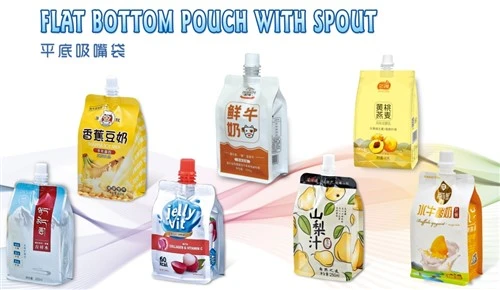
Flat Bottom Pouch References:
- U.S. Environmental Protection Agency. (2022). Plastics Generation and Management in the United States.
- National Retail Federation. (2023). Sustainable Packaging Consumer Survey.
- Personal Care Products Council. (2024). Packaging Waste Reduction Best Practices Report.
- The Recycling Partnership. (2023). Monoplastic Packaging Recycling Guide.
Tongcheng Wanfang Paper & Plastic Packaging Co., Ltd.
As one of the most professional personal care packaging manufacturers and suppliers in China, we also support customized service. With abundant experience, we warmly welcome you to buy high quality personal care packaging made in China here and get pricelist from our factory. For price consultation, contact us.
Address: No.17, Area B, East China Plastics City, Xindu Town, Tongcheng City, Anhui Province, China
E-mail: wanfangpack@163.com
WebSite: https://www.wf-pack.com/
