Hey everyone, it’s Jake here—one of the guys behind the EPDM foam supply side of things, and today I wanna talk about a question I get like, all the time from construction folks at job sites: Can EPDM foam actually be used in building stuff? Look, I know a lot of construction teams stick to what they’ve always used—neoprene, closed-cell PE foam, maybe even some plain old rubber—but EPDM foam? It’s been around forever, but a lot of people still sleep on it for building applications, and that’s wild to me because it checks so many boxes that actually matter on a construction site. Let’s break this down, no super jargon-y stuff, just real talk from someone who’s spent years sourcing and supplying this stuff for big and small build projects alike. EPDM Foam
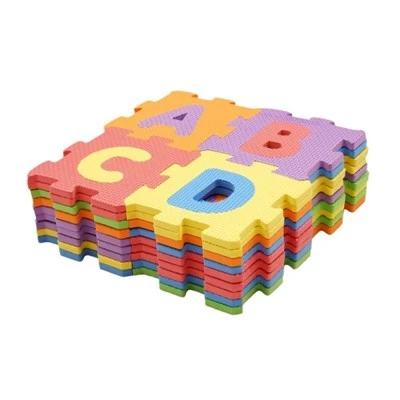
First off, let’s get the basics out of the way so we’re all on the same page. EPDM is short for ethylene propylene diene monomer rubber, right? And the foam version is basically that same rubber, but blown out into a soft, flexible, closed-cell structure. It’s not that hard, bulky rubber you see on car hoses—this is lightweight, has that little give when you press it, and it’s super resistant to things that destroy other foam materials when they’re used in buildings. I used to work with a contractor last year who tried a random foam sealer for a roof flashing, and by the end of summer, it was crumbly and peeling. EPDM? It handles UV light like it’s no big deal—like, we’re talking years of being out in the sun without breaking down, fading, or getting brittle. That alone is a game-changer for anything that’s exposed to the elements, which is like half the stuff construction teams deal with.
Now, let’s get into the actual construction applications, because that’s what you’re here for. I’ve seen EPDM foam used in way more spots than most people realize. First up: roof systems. Wait, not just the big EPDM membrane roofs—though even that stuff pairs great with our foam. We supply EPDM foam as edge trim for roof perimeters, as compression seals between rooftop HVAC units and the membrane, and even as insulation for pipe penetrations up there. Why? Because closed-cell EPDM foam is water-resistant—doesn’t absorb water at all, so it won’t get heavy, grow mold, or hold moisture that leads to rot or rust. A lot of construction teams use open-cell foam for pipe insulation, but if that pipe’s on a roof, water will get in there, freeze in cold weather, and crack the pipe. EPDM foam doesn’t do that. We had a call last month from a roofing company that switched to our foam for HVAC seals and cut their warranty claims by like 40% because the old neoprene seals would degrade in 2-3 years, and ours are hitting 5 years and still going strong.
Next big one: exterior wall assemblies. Think window and door installations—this is where we see a ton of requests. When you fit a window into a wall frame, you need a seal that stops air leaks, keeps water out, and doesn’t compress too much or expand too much when temperatures change. EPDM foam’s expansion rate is super low, way lower than PE foam or even most silicone foams. That means when it’s 100 degrees out or 20 below, it doesn’t shrink so much that there’s a gap, or swell so much that it makes the window hard to open. Also, it’s resistant to ozone and weathering—so it doesn’t break down from being exposed to outdoor air for decades. We also supply it as gaskets for curtain wall panels, because those big glass panels need a soft, durable seal between them to stop wind and rain from getting in. A lot of people use silicone gaskets for that, but EPDM foam is way cheaper and just as good, if not better, for long-term use.
Wait, what about interior applications too? A lot of folks think EPDM is only for outside, but nope. We supply it for sound insulation in commercial office buildings and apartments. Closed-cell EPDM has good acoustic damping— it absorbs impact noise, like footsteps on an upper floor, and helps reduce transfer between rooms. Way better than rigid foam board for that because it’s flexible, so it fills gaps perfectly without leaving voids that let noise slip through. We also use it for vibration isolation—like under heavy equipment in a mechanical room, or under elevator machinery. EPDM foam can handle heavy loads, absorb vibration, and isolate it so it doesn’t shake the whole building and annoy people on lower floors. Last year we did a big project for a downtown apartment building, and the elevator contractor swapped their old rubber mounts for our EPDM foam, and the residents complained way less about the rumbling. That’s a win-win.
Oh, and let’s not forget about weather sealing for expansion joints. Expansion joints are those gaps in concrete floors, sidewalks, or bridge decks that let the concrete expand and contract with temperature changes. You need a seal that’s flexible enough to move with the concrete, but durable enough to not get crushed or fall out. EPDM foam is perfect for that. It’s compressible, has high tensile strength, and doesn’t degrade from being exposed to road salt, snow melt, or whatever else gets poured on concrete. We supply 50-foot rolls of closed-cell EPDM foam specifically for expansion joints, and it’s way easier to install than tar or old rubber strips—just cut it to size, push it into the gap, and you’re good. No messy application, no curing time, which saves construction teams hours on a job site.
Now, let’s talk about the stuff that matters for construction folks: durability, installation, and cost. I already touched on durability, but let’s be real—construction projects need materials that last, because warranty claims are a nightmare. EPDM foam has a service life of 20+ years in most applications, sometimes way longer if it’s installed correctly. Compare that to, say, open-cell polyurethane foam that might last 5 years before it breaks down, or neoprene foam that’s similar but way more expensive. Installation is another big plus—our foam comes in different thicknesses, densities, and even adhesive-backed versions, so you can just peel and stick, no extra tools needed for small jobs. For larger jobs, rolls are easy to cut to size with a utility knife, no fancy equipment. That means less downtime on site, which keeps projects on schedule. Cost-wise, EPDM foam is super competitive. It’s cheaper than silicone foam, and while it’s a little more expensive than basic PE foam, the longevity makes up for it—you won’t have to go back and re-do seals every few years, which saves way more money in the long run.
Wait, but I know you’re probably wondering: is there any downside? No material is perfect, right. EPDM foam isn’t great for super high-temperature applications—like, if you’re dealing with stuff that’s over 200 degrees Fahrenheit, it might start to degrade. So don’t use it for furnace gaskets or anything like that, but for 99% of construction applications, that’s not a problem. It’s also not as good as some specialized foams for extreme chemical exposure—like if you’re working with strong acids or solvents, you might need a different material. But for most building stuff—water, weather, temperature changes, regular construction chemicals—it’s solid.
I’ve had contractors tell me they tried EPDM foam and had bad experiences, and 9 times out of 10 it’s because they used the wrong density. There’s different grades of EPDM foam: low density for insulation, medium for sealing, high density for vibration isolation. If you use low-density foam for an expansion joint that needs to hold up under pressure, it’ll get crushed. That’s not the foam’s fault, that’s just picking the wrong grade. We always ask clients what the application is, how much load it’ll have, if it’s going outside or inside, and what temperature range it’ll see, so we can hook them up with the right stuff. No generic sales here, we make sure it fits their specific need.
Let me give you a quick real example that happened last year. A mid-sized general contractor was building a 10-story office building downtown. They were using generic closed-cell PE foam for window seals and expansion joints, and halfway through the project, they noticed the foam was shrinking in the sun, leaving gaps. They panicked, because they had windows going in the next week, and re-doing all the seals would delay them. They reached out to us, and we sent over medium-density adhesive-backed EPDM foam for the windows and high-density bulk EPDM for the expansion joints. They installed it in 2 days, no delays, and two years later they’re still coming back to us for more material for their next projects. That’s the kind of win we love—solving a problem with a material that’s actually suited for the job.
So, to circle back to the original question: Can EPDM foam be used in construction applications? Hell yeah, it can. It’s versatile, durable, cost-effective, and works for everything from roofs to windows to expansion joints to vibration isolation. The only time it’s not the right pick is for super high temps or extreme chemicals, which are niche use cases anyway. A lot of construction teams sleep on it because it’s not as flashy as some new specialized materials, but it’s a workhorse that’s been holding up buildings for decades.
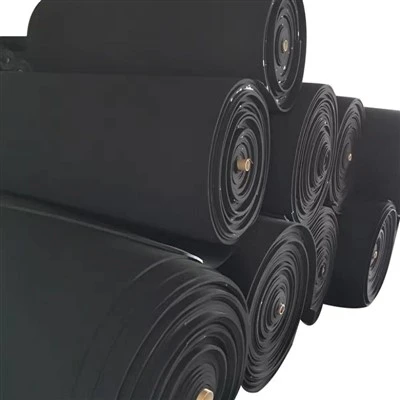
If you’re a contractor, project manager, or anyone else in construction looking for a reliable sealing, insulation, or vibration isolation material, we’ve got you. We stock all grades and thicknesses of EPDM foam, can cut it to custom sizes, and answer any questions you have about what works for your specific job. No pushy sales stuff, just real advice from people who work with this material every day. Reach out to us to chat about your project, get samples, or place an order.
EVA Foam Roll References
- ASTM International. (2020). Standard Specification for Flexible Cellular Materials—Ethylene Propylene Diene Monomer (EPDM) Sponge. ASTM D1056-20.
- American Architectural Manufacturers Association. (2019). Sealant and Gasket Materials for Building Envelopes. AAMA 711-19.
- Construction Specifications Institute. (2021). Section 07 90 00 – Joint Sealants and Gaskets. CSI MasterFormat.
- The Rubber Manufacturers Association. (2022). EPDM Rubber Properties and Applications for Construction. RMA Technical Bulletin 12-22.
Quanzhou Firefox New Material Co., Ltd.
As one of the most professional epdm foam suppliers in China, we have world-leading production equipment and strong manufacturing capabilities. Please rest assured to wholesale premium epdm foam at competitive price from our factory. Customized orders are welcome.
Address: Room 1901, Xiamen Bank Quanzhou Branch Building, No. 102 Binhai Street, Fengze District, Quanzhou City, Fujian Province, China
E-mail: marketing@firefoxfoam.com
WebSite: https://www.firefox-foam.com/
