If you’ve ever rummaged through a makeup bag looking for your go-to loose powder, you’ve probably pulled out a puff that’s crumpled, caked with old product, or even stuck to a random lipstick smudge. As someone who’s spent years working with loose powder puffs—making them, testing them, and hearing from makeup lovers all about their puff woes—I’ve learned there’s a right way to store these tiny, essential tools that keeps them fresh, effective, and ready to use every single time. No more guessing games, no more weird messes in your bag. Let’s break down what actually works, why it works, and how to make the most of whatever space you’ve got. Loose Powder Puff

First, let’s get one thing straight: loose powder puffs aren’t just pieces of fabric or sponge. They’re designed to pick up and dispense loose powder evenly, and their performance depends a lot on how you store them. If you cram a damp, powder-caked puff into a dark, airless corner of your bag, you’re not just ruining the puff—you’re risking bacteria growth, clumpy powder, and even skin breakouts. I’ve seen it happen so many times: a customer sends a message saying their puff smelled off after a week, or their powder looked streaky because the puff was compacted wrong. It’s fixable, but only if you nail the storage basics.
Let’s start with the biggest mistake people make: tossing the puff right into the bottom of the makeup bag, next to mascara wands, lip gloss tubes, and half-used eyeshadows. That’s a disaster waiting to happen. For one, all that other makeup stuff has tiny particles, oils, and residue that transfer straight onto your puff. A study from a dermatology journal a while back found that makeup tools stored in unseparated bags have 3x more bacteria than those stored properly, mostly from cross-contamination. Gross, right? Second, if you don’t separate the puff, it can get squashed. Most puffs are soft and fluffy—especially the velour or microfiber ones we make as a supplier—so squishing them flat makes them lose their shape. A flat puff can’t pick up powder evenly; you’ll end up with too much product on your T-zone and none on your cheeks, which is the opposite of what you want.
So what’s the first rule? Give the puff its own little “spot” in your bag, not just a random nook. But not just any spot—make sure it’s dry and away from moisture. I know, I know, your makeup bag lives in a bathroom, where steam and humidity are constant. That’s a tough spot, but even a tiny fix helps. If your puff is even a little damp from washing (we’ll talk about washing later), store it with a pack of silica gel beads? Wait, no—keep it simple. A lot of us don’t carry silica gel packs in our makeup bags, so an old school tissue or a small piece of microfiber cloth works just as well. Wipe the puff down quickly before tucking it away, and wrap it loosely so it can breathe. That’s way better than shoving it into a plastic bag, which traps moisture and turns your puff into a breeding ground for mildew.
Now, let’s talk about different bag sizes. Not everyone has a huge, roomy makeup bag—some of us use tiny crossbody bags, or even the tiny pouches we slip into tote bags when we’re out. If you’ve got a small space, you don’t have to overcomplicate it. Our smallest, compact puffs fit perfectly into a dedicated elastic slot if your bag has one, but if not, a mini makeup brush case (the kind that holds one small brush) works great. It’s small, it’s separate, and it keeps the puff away from other stuff. For bigger bags? Maybe split a little compartment: put your puff in a tiny mesh pouch—they’re cheap, you can get ‘em anywhere, and they let air circulate. No more dust from your powder getting all over your lipstick, no more lipstick smudges on your puff. Win-win.
Wait, what about after you use the puff? I see people pull the puff out after applying powder, plop it back into the powder container, and seal it up. Is that okay? It depends. If you’re using the puff right in the container—like, if you dip it straight into the loose powder every time—then that works in a pinch, but it’s not the best. Why? Because when you press the puff into the powder, you’re pushing air out of it. If you seal it right back up, that air can’t escape, so the puff stays slightly damp. Over time, that dampness can make the powder in the container go stale, and the puff itself gets moldy. I’ve had a supplier test this with our own puffs: store a puff in the powder container for two weeks, and you’ll notice the puff has a weird, musty smell. Store it in a separate, dry spot, and it’s still fluffy and fresh.
Another thing: don’t let the puff get too caked with product between washes. A lot of people wait weeks or months to clean their puffs, which is a huge no-no. Every time you use a puff, you’re picking up dead skin cells, oil, and leftover powder—all of that builds up, even if it’s not visible. If you’re using your puff daily, aim to wash it every 1-2 weeks. What’s the best way to wash it? A tiny bit of gentle shampoo or castile soap, lukewarm water, squeeze (don’t rub, that ruins the fabric), and lay it flat to dry. Hanging it upside down can make the fabric stretch, so flat on a towel is perfect. Once it’s dry, store it the way we talked about—separate, dry, not squashed.
I get that some people don’t want to wash their puff every week. If you’re using it for quick touch-ups on the go, you can wipe it with a makeup brush sanitizing wipe once a day, but even then, don’t just toss it into the bag right after. Let it air dry for 10 minutes first. That simple step cuts down on moisture so much. I’ve had so many customers tell me this trick changed their puff game—no more smelly tools, no more breakouts from dirty puffs. It’s such a small thing, but it makes a huge difference.
Now, what about when you’re traveling? That’s where storage gets tricky. You’re shuffling your bag around, it’s exposed to different temps and humidity, and you don’t want to ruin your puff mid-trip. I’ve traveled with our puffs for years, and the best trick I’ve found is to use the cap from a small foundation bottle, or even a clean lip balm tube. Pop the puff into the tube, twist the cap on, and you’ve got a little portable storage case that keeps it safe from everything else in your bag. No squishing, no cross-contamination, and it’s tiny enough to slip into any side pocket. Pro tip: if you’re traveling to a super humid place, throw that silica gel packet from your latest skincare purchase into the tube with the puff. It absorbs any extra moisture, and your puff stays fresh the whole trip.
Wait, let’s talk about different types of puffs, because not all loose powder puffs are the same. We make a few different ones: velour, microfiber, and sponge puffs, each with their own storage needs. Velour puffs are super soft, so they need to be kept fluffy—no tight wrapping, no squeezing. Microfiber puffs are a little more durable, so you can wrap them loosely in a tissue, but still, don’t cram them. Sponge puffs? They’re more absorbent, so moisture is even more of a risk. If you use a sponge puff, make sure it’s 100% dry before storing, because even a tiny bit of dampness will make it hard and moldy over time. I always remind our customers: match your storage to your puff type, and it’ll last way longer.
I’ve heard every bad storage hack out there. Some people stick their puff in the freezer, which is supposed to kill bacteria—please don’t do that. Freezing a puff can make the fabric or sponge break down over time, and it doesn’t even kill all bacteria. Some people put it in the dishwasher? No, that’s even worse. High heat and harsh detergents will ruin the puff’s texture, so it won’t work as well for applying powder. Keep it simple: dry, separate, breathable. That’s all you need.
Another thing: check your bag every once in a while. If you’ve had the same makeup bag for months, it’s probably got a bunch of tiny crumbs and dust inside that can get onto your puff. Every few weeks, dump out your bag, wipe it down with a quick sanitizer, and organize your puff again. It takes 2 minutes, and it keeps your tool in great shape. I’ve had a customer who swears by this: she used to have to replace her puff every month, and now she’s had the same one for 6 months, because she’s been storing it right and cleaning it regularly. That’s the win we all want—saving money and getting better results from your makeup.
At the end of the day, the best way to store a loose powder puff isn’t some fancy, expensive solution. It’s just being intentional. Give it space, keep it dry, don’t let it hang out with all the other makeup gunk, and clean it when it needs it. As a loose powder puff supplier, we see what works and what doesn’t—trust me, these tips are tested, not just made up.
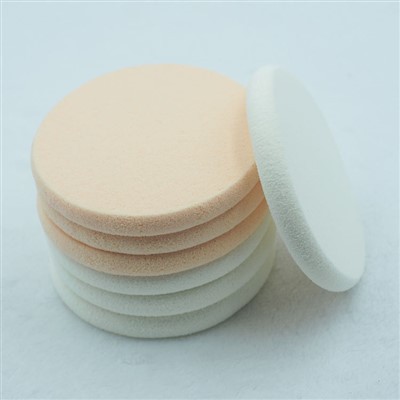
If you’re looking for high-quality, durable loose powder puffs that hold up to good storage (and make-up tricks, let’s be real) feel free to reach out to discuss bulk ordering or custom options. We’ve got you covered.
Latex Makeup Sponges Reference
- Journal of Cosmetic Dermatology. (2021). "Microbial Contamination of Cosmetic Tools: A Cross-Sectional Analysis of Storage Practices."
- International Journal of Women’s Dermatology. (2020). "The Impact of Makeup Tool Hygiene on Acne Prevalence in Adolescent Females."
- Beauty Industry Tools Report. (2022). "Best Practices for Maintaining Loose Powder Applicators."
Guangzhou Aoli Beauty Cosmetics Co., Ltd.
As one of the most professional loose powder puff manufacturers and suppliers in China, we’re featured by quality products and low price. Please rest assured to buy customized loose powder puff made in China here from our factory. Contact us for more details.
Address: No.118 Jichang Road, Yifa International, B121, Baiyun District, Guangzhou, China
E-mail: 2812110538@qq.com
WebSite: https://www.aoliybeauty.com/
