As a supplier of steam turbine components, I understand the critical importance of proper storage for these high – value and precision parts. In this blog, I will share in detail the requirements for the storage of steam turbine components, emphasizing the key factors that ensure their quality and performance during long – term storage. Steam Turbine Components

Environmental Conditions
The first and foremost requirement for storing steam turbine components is controlling the environmental conditions. Temperature is a crucial factor. Most steam turbine components are made of metals, and temperature fluctuations can cause thermal expansion and contraction. For example, if the temperature changes too rapidly, it may lead to micro – cracks in the component materials. Generally, the storage temperature should be maintained within a relatively stable range, preferably between 10°C and 30°C. Extreme temperatures can have a negative impact on the mechanical properties of the components. At very high temperatures, materials may lose their hardness and strength, while at extremely low temperatures, they can become brittle and more prone to damage.
Humidity also plays a significant role. High humidity can lead to corrosion, which is one of the most common problems in the storage of metal components. Condensation on the surface of the components can initiate the corrosion process. To prevent this, the relative humidity in the storage area should be kept below 60%. In some cases, especially for components with a high susceptibility to corrosion, such as those made of carbon steel, a humidity level as low as 40% – 50% is recommended. Installing dehumidifiers in the storage facility can effectively control the humidity. Additionally, the storage area should be well – ventilated to prevent the accumulation of moisture. Good ventilation helps to remove humid air and maintain a dry environment, reducing the risk of corrosion.
Cleaning and Coating
Before storage, steam turbine components must be thoroughly cleaned. Any dirt, debris, or contaminants on the surface can accelerate corrosion and cause premature wear. Components should be cleaned using appropriate cleaning agents that are compatible with the material of the component. For example, for stainless – steel components, mild detergents can be used, while for more sensitive alloy components, specialized cleaning solutions are required.
After cleaning, applying protective coatings is often necessary. A corrosion – resistant coating can act as a barrier between the component surface and the surrounding environment, preventing moisture and oxygen from reaching the metal. There are different types of coatings available, such as oil – based coatings, paint coatings, and epoxy coatings. The choice of coating depends on the type of component, the expected storage duration, and the environmental conditions. For short – term storage, a light oil coating may be sufficient, while for long – term storage in harsh environments, a more durable epoxy coating is recommended.
Packaging
Proper packaging is essential for the storage of steam turbine components. Packaging not only protects the components from physical damage but also helps to maintain the environmental conditions around the components. Components should be individually wrapped in protective materials, such as plastic film, bubble wrap, or anti – static bags. These materials can prevent scratches, dents, and other physical damages during storage and handling.
For larger components, custom – made crates or containers may be required. These crates should be designed to provide adequate support and cushioning. They can be lined with shock – absorbing materials, such as foam or rubber, to protect the components from vibrations and impacts. Additionally, the crates should be sealed to prevent dust, moisture, and insects from entering. Labels should be attached to the packaging to indicate the component name, part number, and storage instructions.
Storage Location
The location where the steam turbine components are stored is also crucial. The storage area should be a dedicated space, away from sources of heat, moisture, and chemical contaminants. It should be a clean and dry warehouse or storage facility. The floor of the storage area should be level and strong enough to support the weight of the components.
Components should be stored in an organized manner. They can be stored on shelves, racks, or pallets. The storage system should be designed to allow easy access to the components for inspection and retrieval. For example, components that are frequently used or need to be inspected regularly should be stored in a more accessible location.
Inspection and Maintenance
During the storage period, regular inspections of the steam turbine components are necessary. Inspections can help to detect any signs of corrosion, damage, or degradation early. Components should be inspected visually at least once a month. Any signs of rust, cracks, or deformation should be recorded and addressed immediately.
In addition to visual inspections, some components may require more in – depth testing. For example, electrical components may need to be tested for insulation resistance periodically. If any problems are detected during the inspection, appropriate maintenance measures should be taken immediately. This may include cleaning, re – coating, or minor repairs.
Documentation
Accurate documentation is an important part of the storage process. A detailed record should be kept for each component, including information such as the date of storage, storage location, inspection results, and any maintenance activities. This documentation can help to track the history of the component and ensure that it is properly stored and maintained.
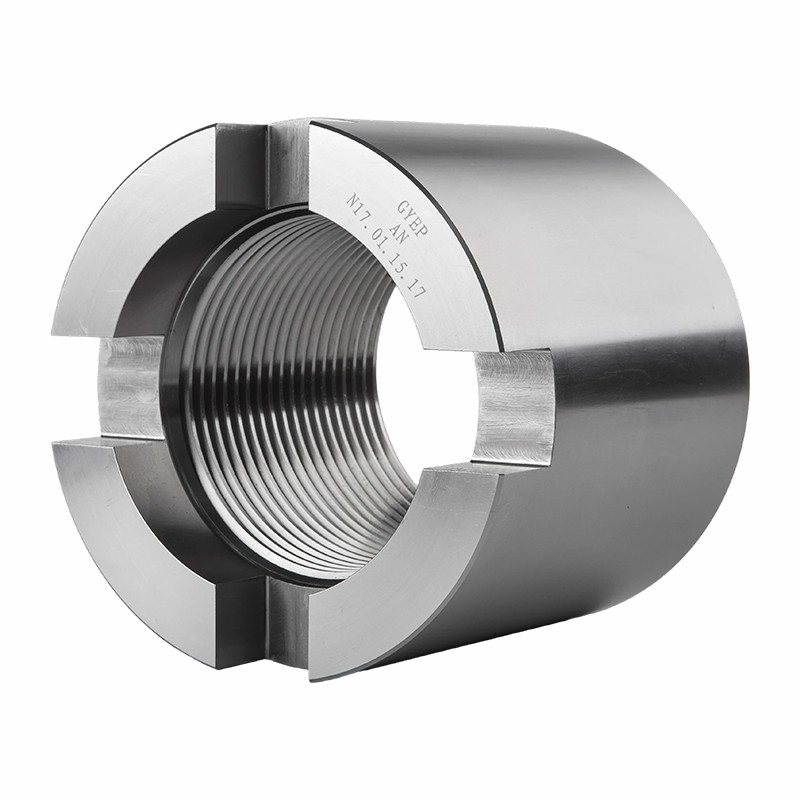
In conclusion, the storage of steam turbine components requires a comprehensive approach that includes controlling environmental conditions, proper cleaning and coating, appropriate packaging, a suitable storage location, regular inspection and maintenance, and accurate documentation. By following these requirements, we can ensure that the steam turbine components maintain their quality and performance during storage, and are ready for use when needed.
Turbine Diaphragm If you are in need of high – quality steam turbine components and want to discuss the best storage practices for your specific needs, or if you are interested in purchasing our products, please feel free to contact us for further negotiation. We are committed to providing you with the best products and services.
References
- ASME (American Society of Mechanical Engineers) standards related to storage of power generation components.
- Handbook of Steam Turbine Technology and Maintenance.
- Industry research reports on the storage requirements of precision mechanical components.
Hebei Guoyuan Electric Co., Ltd.
With abundant experience, we are one of the most professional steam turbine components manufacturers in China. We warmly welcome you to buy discount steam turbine components for sale here and get pricelist from our factory. Quality products and low price are available.
Address: No. 18 Tianshan Science and Technology Industrial Park, No. 319 Xiangjiang Road, Shijiazhuang High-tech Zone, Hebei Province, China
E-mail: turbine@goineep.com
WebSite: https://www.goineep.com/
