If you’ve ever walked through a construction site, a farmers’ field at harvest time, or a pop-up festival setup, you’ve probably spotted thin, flexible plastic sheets lining containers, pallets, or temporary storage spots. For years, I’ve supplied PE liner bags to businesses across industries, and one question comes up more than any other: “Can these bags hold up when we take them outside?” It’s a fair question—outdoor environments aren’t gentle. Sunlight, rain, wind, temperature swings, and rough handling are all factors that can turn a storage solution into a mess. Over the past 12 years in this business, I’ve tested these bags in real outdoor conditions, listened to hundreds of customer stories, and learned that the answer isn’t a simple yes or no—it depends on what the bag is made of, how it’s used, and how you maintain it. PE Liner Bag

Let’s start with the basics: what is a PE liner bag, exactly? PE stands for polyethylene, a thermoplastic polymer that’s one of the most widely used plastics in the world because it’s lightweight, flexible, and relatively low-cost. Liner bags come in two main types that matter for outdoor use: low-density polyethylene (LDPE) and linear low-density polyethylene (LLDPE). LDPE is the thinner, more flexible stuff you see in produce bags or dry cleaning covers, while LLDPE is a little denser, more tear-resistant, and better at stretching without breaking. For outdoor applications, LLDPE is often the better choice, but that doesn’t mean LDPE can’t work—just not for every job.
I remember a customer from a Florida citrus farm who reached out two years ago, frustrated because the LDPE liners he was using for harvested fruit bins were splitting within a week. He stored bins under a open-sided shed, exposed to intense Florida sun and sudden rainstorms. After a few tests, we switched him to a 6-mil LLDPE liner, and his issues stopped. The difference? LLDPE has higher puncture resistance than LDPE. That’s key for outdoor use, where sharp edges from pallets, produce, or construction debris can snag and tear a bag in minutes. I’ve also seen LLDPE hold up in cold climates—one customer in northern Minnesota uses our LLDPE liners for bulk grain storage outside, and he told me they don’t get brittle and crack when temperatures drop below -20°F, which was a problem with the LDPE bags he’d used before.
But the biggest outdoor enemy for PE liner bags isn’t physical damage—it’s UV rays. Sunlight has ultraviolet radiation that breaks down polyethylene over time, turning it brittle and discolored. If you leave a standard PE liner bag out in direct sunlight for 30 days, it’ll start to look cloudy, and if you stretch it, it’ll snap instead of flexing. That’s a problem if you’re storing goods long-term, but for short-term outdoor use—like a single-day festival trash liner or a construction waste bag used for a week—standard PE might work, as long as you don’t leave it exposed permanently. That’s why we sell UV-stabilized PE liners too. We add small amounts of carbon black or other stabilizers during production that block UV radiation, slowing down the breakdown process. A UV-stabilized LLDPE liner can last three to six months in direct sunlight, depending on how intense the sun is. That’s a game-changer for customers who need to store materials outside for a harvest season or a temporary outdoor project.
I’ll admit, though, I’ve seen UV-stabilized bags fail when customers misused them. Last summer, a small landscaping company used a UV-stabilized PE liner to line a temporary outdoor pond for a week of pond restoration work. But they placed the liner on top of sharp rocks and branches instead of laying down a protective underlayer, and even the UV-stabilized 8-mil liner had three tears by day two. That’s a mistake I see all the time: people assume the liner’s UV protection will also protect it from physical damage. The two are separate features, and you can’t skip proper setup. For outdoor use, whether it’s a pond, a bin, or a pallet, we always recommend adding a layer of protective material—like fabric tarps or foam mats—between the liner and any sharp objects. That extra step cuts down on tears and extends the liner’s life.
Another outdoor factor is moisture. PE is water-resistant, which is one of its biggest benefits, but that works both ways. If you’re storing goods inside the liner, the liner will keep rain and dew out, which is great for protecting dry materials like seed, cement, or art supplies. But if the liner gets wet and stays outside in humid conditions, it can develop mold or mildew? Wait, no—actually, polyethylene is non-porous, so mold can’t grow on the plastic itself. The issue is if the contents inside the liner are wet. If you put damp produce or muddy construction debris in a liner and leave it outside, the moisture can get trapped, leading to odors or even spoilage. That’s something to keep in mind: if your outdoor storage requires holding wet materials, you might want a liner with a little more breathability? No, PE liners are non-breathable, but if you’re storing wet goods, you can use a liner with a small drainage hole at the bottom to let excess water escape. That’s a feature we offer for agricultural customers, who use liners to store wet silage or runoff from farm equipment.
Temperature fluctuations also affect PE liners. In hot weather, PE becomes softer and more flexible, which can be good for stretching over irregular shapes, but it also makes it more prone to stretching or sagging under heavy loads. I’ve had a customer in Arizona tell me that during summer, his 10-mil LLDPE liner would sag so much when filled with 500 pounds of steel scrap that it would touch the ground and get punctured by rocks. We adjusted him to a 12-mil liner with a slightly higher tensile strength, and that fixed the sagging issue. In cold weather, as I mentioned earlier, standard PE can get brittle. But LLDPE is better here too—its molecular structure is more flexible even at low temperatures, so it won’t crack when you’re handling it in the snow. We even have a cold-weather grade PE liner designed for temperatures down to -40°F, used by customers in Canada and Alaska for outdoor winter storage of mining equipment parts.
Let’s talk about real-world use cases, because that’s where the rubber meets the road. First, agricultural use: this is probably the biggest outdoor application for PE liners. Farmers use them to line grain bins, silage bags, fertilizer storage, and even temporary water tanks. I’ve supplied UV-stabilized LLDPE liners to corn farmers in Iowa who leave them outside for 6 months between harvest and spring planting, and 9 out of 10 say the liners hold up without significant UV damage. The exception is if the area has a lot of intense, direct sunlight—like in the Southwest—where we recommend even thicker 10-mil liners. Then there’s construction: construction sites generate a lot of waste, from concrete debris to lumber scraps, and they often need temporary storage outside. PE liner bags work here, but not the thin 2-mil ones you find at dollar stores. We supply 6 to 8-mil LLDPE liners for construction waste, and we tell customers to line the interior of their dumpsters or temporary bins to avoid spills and make waste removal easier. The rough handling on construction sites means thick, puncture-resistant liners are non-negotiable.
Another outdoor use case: outdoor events. Festivals, farmers’ markets, and outdoor concerts often use PE liners for trash bins. For these, short-term use (1 to 3 days) means even standard LDPE works, but UV-stabilized is better if the event is on a sunny weekend. We also supply liners for pop-up retail setups, where businesses store merchandise outside temporarily. One outdoor clothing brand uses our UV-stabilized PE liners to store winter coats in their temporary outdoor storage tents during winter markets, and they tell me the liners keep the coats dry and free from dirt even when it rains.
But there are situations where PE liner bags aren’t the best choice for outdoor use. If you need to store goods for more than 6 months in direct, intense sunlight, even UV-stabilized PE will break down eventually, and you might want to consider a more durable material like woven polypropylene. If you’re storing extremely hot materials—like freshly poured asphalt or hot metal scraps—PE will melt, and you’ll need a heat-resistant liner. And if you need the liner to be breathable (for storing fruits or vegetables that release moisture and need air circulation), PE’s non-porous nature can lead to spoilage, so a different material would work better.
I’ve learned over the years that the key to using PE liners outdoors isn’t just picking the right product—it’s matching it to the job. Too often, customers come to me with a problem because they used a liner that was too thin, not UV-stabilized, or not protected from sharp objects. For example, a customer who tried to use a 4-mil LDPE liner for a 2-week outdoor music festival had 80% of his liners tear by day 3, because the bin edges and staff dragging the liners across the pavement caused punctures. Switching to a 6-mil UV-stabilized LLDPE liner cut his tear rate to less than 5%. That’s the kind of small adjustment that makes all the difference.
Another lesson I’ve picked up from years on the job: proper storage of the liners themselves matters if you’re keeping them outdoors before use. If you order a pack of liners and leave them in direct sunlight in your garage or job site trailer, they’ll start to break down even before you use them. We always advise customers to store unused PE liners in a cool, dark place, away from direct sunlight and extreme temperatures. That’s a simple step, but it’s one that many people overlook, leading to premature liner failure.
I’ve also tested a lot of myths over the years. Some customers swear that black liners are better for outdoor use because the carbon black blocks UV rays—and they’re right. Black PE liners have higher UV resistance than clear or white liners, because the carbon black absorbs UV radiation instead of letting it penetrate the plastic. Clear liners let almost all UV through, so they’re only good for very short outdoor use. White liners reflect sunlight, which can help keep the contents cooler in hot weather, but they offer less UV protection than black liners. So if UV resistance is your top priority, go black. If you need to see the contents inside (like checking grain moisture), a clear UV-stabilized liner is an option, though it will have a shorter lifespan than black.
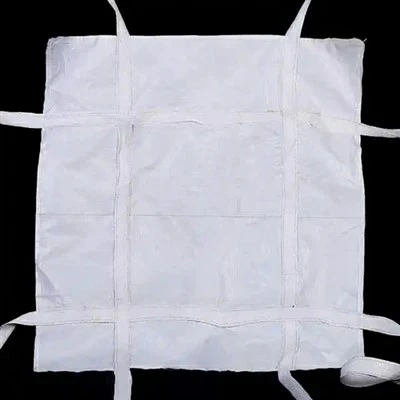
At the end of the day, PE liner bags can absolutely be used in outdoor environments—you just have to pick the right type for your needs and use them correctly. For short-term, low-stakes use, a standard LDPE liner works. For longer-term outdoor storage, go with UV-stabilized LLDPE, and don’t skimp on thickness. Always protect the liner from sharp edges, store unused liners properly, and match the liner’s properties to your specific environment (hot, cold, rainy, or dry). If you’re not sure which one is right for you, that’s what I’m here for. After 12 years as a PE liner bag supplier, I’ve helped hundreds of customers solve outdoor storage problems, and I can help you find the right solution for your project, whether it’s agricultural storage, construction waste, outdoor events, or anything in between. Don’t hesitate to reach out to discuss your needs and get a recommendation tailored to your outdoor application.
Aluminum Foil Bag References
- "Polyethylene Properties and Applications." Modern Plastics Encyclopedia, 2022.
- "UV Stabilization of Polyethylene for Outdoor Use." Journal of Applied Polymer Science, Vol. 139, No. 12, 2022.
- "Agricultural Storage Solutions: Liner Bags for Outdoor Grain and Silage." USDA Agricultural Research Service, 2021.
- "Tensile and Puncture Resistance of PE Liners for Construction and Outdoor Applications." Construction Materials Journal, 2020.
- "Low-Temperature Performance of Polyethylene Liners for Cold Climate Storage." Journal of Cold Regions Engineering, 2019.
Heze Jinniu Plastics Co., Ltd.
As one of the most professional pe liner bag manufacturers in China, we have world-leading production equipment and strong manufacturing capabilities. Please rest assured to wholesale bulk high quality pe liner bag for sale here from our factory.
Address: South section of Renmin Road, Heze City, Shandong Province
E-mail: lishaobin2379@163.com
WebSite: https://www.jnbulkbags.com/
