If you’re reading this, chances are you’ve already made the smart call to swap out your old, energy-guzzling water heater for a heat pump model—especially if you want to cut utility bills and reduce your home’s carbon footprint. But let’s be real: most people dive headfirst into buying a heat pump water heater (HPWH) and then completely forget about maintenance until something goes wrong. As someone who’s spent the last seven years selling and servicing these units (I’m not just a supplier— I’m the guy who gets called at 2 a.m. when a client’s HPWH starts making gurgling noises out of nowhere), I can tell you that skipping regular checks is the number one reason these top-tier appliances end up costing more in the long run. Today, we’re breaking down exactly how often you need to maintain your HPWH, why it matters, and what happens when you ignore it. Heat Pump Water Heater

First, let’s get one thing straight: heat pump water heaters are not like traditional gas or electric models. They work by pulling warm air from the surrounding space (garages, basements, utility closets) to heat water, which means they have moving parts, filters, and refrigerant lines that need regular attention. When I first started in this business, I thought maintenance was a “set-it-and-forget-it” kind of thing, but I learned that lesson the hard way. Last year, a client in suburban Ohio bought our 80-gallon HPWH for his home, skipped any maintenance for 18 months, and ended up with a frozen evaporator coil. By the time he called me, the coil was cracked, and he had to replace the entire component—costing him three times what a yearly maintenance check would have. That’s the kind of avoidable headache we’re here to prevent.
So, how often should you actually maintain your HPWH? The short answer is: two different timelines, actually—regular DIY checks every three to six months, and professional servicing once a year, no exceptions. Let’s dive into the DIY side first, because that’s stuff you can do on a Saturday morning with a basic toolkit, no fancy training required. Every three months, you should check three main things: the air filter, the drainage pan, and the surrounding air supply. The air filter on an HPWH is way different from a furnace filter, but it’s just as important. If it’s clogged with dust, pet hair, or lint from a nearby dryer, the unit has to work twice as hard to pull in warm air, which drives up your energy bills and can even damage the compressor. I always tell clients to look at their filter every time they do a load of laundry—since that’s a common source of lint buildup near utility spaces. If the filter looks dirty, swap it out. Most of our HPWHs use a standard 20x20x1 filter, which you can pick up at any hardware store for under $10. No need for a special order here.
Next, the drainage pan. HPWHs pull moisture from the air, especially in humid climates, and that moisture drips into a pan at the bottom of the unit. If that pan gets clogged with debris, water can back up, leak onto your floor, or even cause mold growth inside the unit. Every three months, grab a flashlight and peek under your HPWH. If you see standing water, pour a cup of white vinegar down the drain line to clear out any gunk, and wipe the pan clean with a mild detergent. I had a client in Florida last year who skipped this step for a year and came home to a 2-inch puddle in his basement—ruined a set of custom shelves and a storage chest full of kids’ clothes. That’s the kind of preventable mess we want to avoid.
Finally, the air supply. Your HPWH needs unobstructed warm air to work efficiently. If you’ve stored boxes, tools, or holiday decor too close to the unit, you’re blocking airflow, which makes the unit run nonstop. Every six months, take 10 minutes to clear a 12-inch space around the top, sides, and back of the HPWH. And if your unit is in a garage, make sure the area around it isn’t covered in sawdust or other workshop debris. I once sold an HPWH to a woodworker who kept his unit right next to his table saw—by the end of the first month, the filter was so clogged with sawdust it barely worked. He switched up his setup, and his energy bills dropped by 30% that next quarter.
Now, the big one: professional annual maintenance. This is non-negotiable, no matter how handy you are. A technician who works with HPWHs regularly has the tools and expertise to spot issues you’d never catch on your own. Let’s walk through what a professional service call covers, because it’s not just a quick wipe-down. First, they’ll check the refrigerant levels. HPWHs use a closed refrigerant loop, and over time, small leaks can develop—even tiny ones can reduce efficiency by 20% or more. A tech will use a pressure gauge to make sure the levels are correct and fix any leaks before they turn into big problems. Next, they’ll inspect the evaporator and condenser coils. These coils are where the magic of heat transfer happens—warm air passes over the evaporator coil, and the heat is transferred to the water. If the coils are dirty or coated in grime, the unit can’t pull heat effectively. A pro will clean them with a specialized coil cleaner that’s safe for the unit, something you can’t do with a regular garden hose.
They’ll also check the pressure and temperature relief valve. This is a safety component that prevents the tank from overpressurizing and bursting—super important, because a faulty relief valve can lead to a leak that causes thousands of dollars in water damage. A tech will test the valve to make sure it opens and closes properly, and if it’s old or worn, they’ll replace it. Another key part of annual service: inspecting the electrical connections. Vibrations from the unit’s fan and compressor can loosen wires over time, which can lead to short circuits or even fires. A pro will tighten all connections, check for corrosion, and make sure everything is up to code. Finally, they’ll test the unit’s overall performance. They’ll measure how long it takes to heat a full tank of water, check energy efficiency, and make any minor adjustments to get it running at peak performance.
Wait, but what if you live in a super cold climate? Does the maintenance timeline change? The short answer is: a little, but not by much. If your HPWH is in a space that stays below 40 degrees Fahrenheit (like an unheated garage in Minnesota or Maine), you’ll want to add a few extra checks every three months. You’ll need to make sure the insulation around the pipes and unit is intact, and you might need to run a space heater near the unit during extreme cold snaps to prevent freezing. But the annual professional service is still the same—just make sure you tell your tech about the cold location so they can pay extra attention to the refrigerant lines and tank insulation.
What about if you skip maintenance for a year or more? Let’s be honest, life gets busy—no one’s perfect. But I’ve seen the results, and they’re not pretty. Last year, I worked on a client in Colorado who skipped maintenance for two full years. His HPWH’s filter was so clogged with dust that the compressor burned out, and the evaporator coil was corroded from standing water in the drainage pan. The repair cost him $1,800, which is more than double what he would have paid for two years of yearly maintenance. And not only that—his energy bills were $150 higher a month because the unit was working so hard. By the time we replaced the compressor and serviced the unit, he was looking at a total cost of over $2,500, which is a huge hit for a water heater that should last 10 to 15 years with proper care.
Another common myth: “My HPWH is under warranty, so if something breaks, the supplier will fix it.” That’s only true if you keep up with maintenance. Almost all HPWH warranties require proof of regular servicing, usually annual professional checks, to be valid. I can’t tell you how many clients have called me panicked because their unit broke 18 months after installation, only to find out they skipped professional service and their warranty is void. We want to help, but we can’t cover repairs that are the result of neglecting basic maintenance. So even if you have a warranty, the annual service is worth every penny to keep that coverage intact.
Now, let’s bust another myth: “I can do the professional maintenance myself to save money.” Don’t get me wrong—DIY checks are great, but HPWHs use refrigerant, which is a controlled substance in many areas. Working with refrigerant requires special certification, and if you mess up the charge, you can damage the compressor or even release harmful chemicals into the air. Plus, the safety valve and electrical connections are not something you want to play with if you don’t have the right training. I’ve had a few clients try to refill their refrigerant themselves, and every time, they end up making the problem worse and costing more to fix. It’s always better to call a certified tech who knows HPWHs inside and out.
So, putting it all together: here’s your step-by-step maintenance schedule for your heat pump water heater:
- Every 3 months: Check and replace air filter, clear drainage pan, confirm unobstructed air supply.
- Every 6 months: Do a deeper check of the surrounding area, clean any visible debris, ensure insulation is intact if in a cold space.
- Every 12 months: Schedule professional maintenance with a technician certified to work on heat pump water heaters.
Now, if you’re thinking about upgrading to a heat pump water heater (or just want to make sure your current one is running at its best), we’re here to help. Our team doesn’t just sell HPWHs—we partner with clients through every step, from installation to routine service to emergency repairs. We know that investing in a new appliance is a big deal, and we want to make sure it lasts as long as possible and saves you as much money as it can on utility bills. If you have questions about your current HPWH’s maintenance, want to learn more about our models, or need to schedule a service, reach out to our team today. We’re happy to walk you through every step, no pressure, no hidden fees.
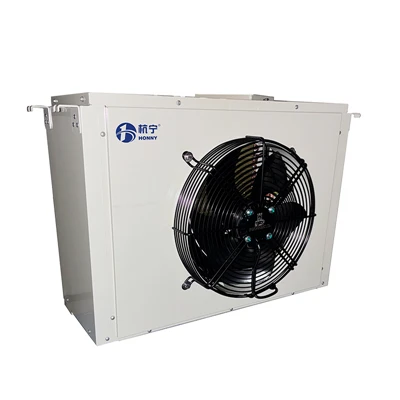
At the end of the day, a heat pump water heater is one of the best investments you can make for your home and the planet, but it does need a little care to keep running smoothly. Skipping maintenance might save you a few bucks in the short term, but it’ll cost you way more in repairs, higher energy bills, and a shorter unit lifespan. Stick to the schedule, stay on top of those DIY checks, and call a pro once a year—your wallet (and your HPWH) will thank you.
Heat Pump Water Heater References
- U.S. Department of Energy. (2023). Heat Pump Water Heater Maintenance Guide. Office of Energy Efficiency and Renewable Energy.
- Air-Conditioning, Heating, and Refrigeration Institute (AHRI). (2022). Residential Heat Pump Water Heater Service Best Practices.
- Home Warranty Association. (2023). Why Regular Maintenance is Critical for HPWH Warranty Validity.
- International Association of Home Inspectors (IAHI). (2022). Standard Maintenance Protocols for Heat Pump Water Heaters.
Hangzhou Honny Heat Energy Technology Co., Ltd.
We are one of the most experienced heat pump water heater manufacturers and suppliers in China. With a professional production team, we are able to meet the needs of the majority of our customers. Please feel free to wholesale customized heat pump water heater from our factory. Also, quotation is available.
Address: Dingshan Village, Wenyan Subdistrict, Xiaoshan District, Hangzhou City, Zhejiang Province
E-mail: 524435406@qq.com
WebSite: https://www.hnrnkj.com/
