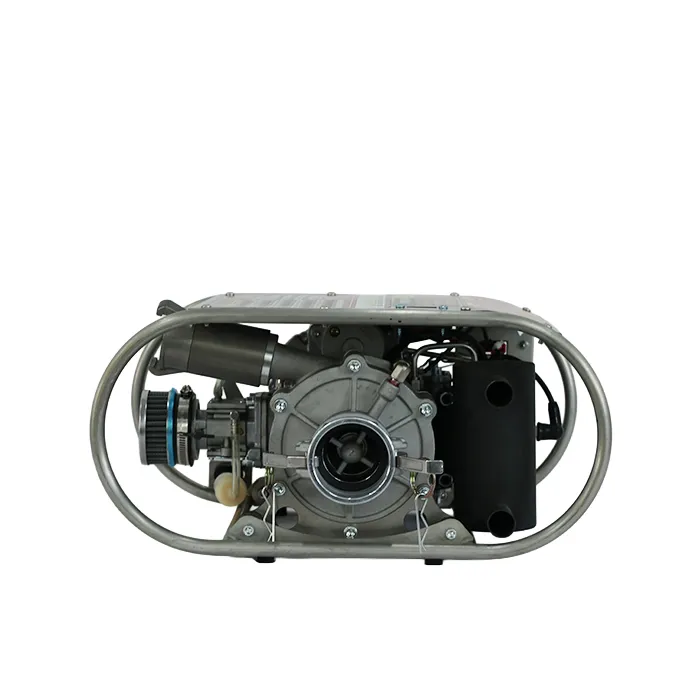
As a supplier of wind-powered fire extinguishers, I’ve witnessed firsthand the critical role these devices play in fire suppression. One factor that often gets overlooked but can significantly impact the performance of a wind-powered fire extinguisher is humidity. In this blog post, we’ll explore the relationship between humidity and the effectiveness of wind-powered fire extinguishers, and how understanding this relationship can help you make informed decisions when it comes to fire safety. Wind-powered Fire Extinguisher
Understanding Wind-Powered Fire Extinguishers
Before delving into the impact of humidity, let’s briefly review how wind-powered fire extinguishers work. These innovative devices use a high-velocity stream of air to combat fires. By disrupting the fire’s oxygen supply, cooling the flames, and blowing away combustible materials, wind-powered fire extinguishers can effectively suppress small to medium-sized fires without the use of chemicals. They are particularly useful in outdoor settings, such as forests, construction sites, and agricultural areas, where traditional fire extinguishers may not be as practical or environmentally friendly.
The Role of Humidity in Fire Behavior
Humidity, which refers to the amount of water vapor present in the air, plays a crucial role in fire behavior. In general, higher humidity levels can make it more difficult for fires to start and spread. This is because water vapor in the air acts as a heat sink, absorbing and dissipating heat from the fire. Additionally, moist air contains more water molecules, which can help to cool the flames and reduce the flammability of combustible materials.
Conversely, lower humidity levels create a drier environment, making it easier for fires to ignite and spread rapidly. Dry air has less moisture to absorb heat, allowing the fire to reach higher temperatures more quickly. As a result, combustible materials are more likely to catch fire and burn more vigorously in low-humidity conditions.
Impact of Humidity on Wind-Powered Fire Extinguishers
Now that we understand the role of humidity in fire behavior, let’s examine how it affects the performance of wind-powered fire extinguishers.
High Humidity Conditions
In high humidity conditions, the performance of a wind-powered fire extinguisher can be both enhanced and challenged. On the one hand, the presence of moisture in the air can help to cool the flames and reduce the intensity of the fire, making it easier for the extinguisher’s high-velocity air stream to disrupt the fire’s oxygen supply and suppress the flames. Additionally, the moist air can help to prevent the re-ignition of combustible materials, reducing the risk of the fire spreading.
On the other hand, high humidity can also pose some challenges for wind-powered fire extinguishers. The increased moisture in the air can make it more difficult for the extinguisher to generate a concentrated and powerful air stream. Water droplets in the air can cause the air stream to disperse more quickly, reducing its effectiveness in reaching the fire and suppressing the flames. Additionally, the moist air can make the combustible materials heavier and more difficult to blow away, which can limit the extinguisher’s ability to remove fuel from the fire.
Low Humidity Conditions
In low humidity conditions, wind-powered fire extinguishers face different challenges. The dry air allows the fire to burn more vigorously and spread more quickly, making it more difficult to control. The high-velocity air stream from the extinguisher may have less effect on cooling the flames and reducing the fire’s intensity, as there is less moisture in the air to absorb the heat. Additionally, the dry combustible materials are more likely to catch fire easily and re-ignite, increasing the risk of the fire spreading.
However, low humidity also has some advantages for wind-powered fire extinguishers. The dry air is less dense, which means that the extinguisher can generate a more concentrated and powerful air stream. This can be beneficial in reaching the fire and disrupting its oxygen supply more effectively. Additionally, the dry combustible materials are lighter and easier to blow away, allowing the extinguisher to remove fuel from the fire more efficiently.
Factors to Consider
When using a wind-powered fire extinguisher in different humidity conditions, there are several factors to consider to ensure optimal performance.
Fire Size and Type
The size and type of the fire play a significant role in determining the effectiveness of a wind-powered fire extinguisher. In general, these extinguishers are more effective for small to medium-sized fires. For larger fires, the impact of humidity on the extinguisher’s performance may be less significant, as other factors such as the availability of fuel and the intensity of the fire become more critical. Additionally, different types of fires, such as those caused by flammable liquids or electrical equipment, may require different firefighting techniques and may be affected by humidity in different ways.
Airflow and Direction
The airflow and direction of the wind can also affect the performance of a wind-powered fire extinguisher. In high humidity conditions, the moist air may be more likely to form clouds and reduce visibility, making it more difficult to aim the extinguisher accurately. Additionally, the wind direction can affect the effectiveness of the extinguisher’s air stream. If the wind is blowing in the wrong direction, it can push the flames towards the operator or disperse the air stream, reducing its effectiveness.
Maintenance and Calibration
Regular maintenance and calibration of the wind-powered fire extinguisher are essential to ensure optimal performance in all humidity conditions. The extinguisher’s fan blades, motor, and other components should be inspected and cleaned regularly to ensure that they are in good working condition. Additionally, the extinguisher should be calibrated to generate the appropriate air velocity and pressure for the specific application.
Choosing the Right Wind-Powered Fire Extinguisher
When choosing a wind-powered fire extinguisher, it’s important to consider the expected humidity conditions in the area where the extinguisher will be used. Some models may be better suited for high humidity environments, while others may perform better in low humidity conditions. Additionally, the size and type of the fire that the extinguisher is intended to combat should also be taken into account.
As a supplier of wind-powered fire extinguishers, we offer a range of models that are designed to perform effectively in different humidity conditions. Our team of experts can help you choose the right extinguisher for your specific needs and provide you with guidance on proper use and maintenance.
Conclusion
Humidity is an important factor that can significantly impact the performance of a wind-powered fire extinguisher. By understanding the relationship between humidity and fire behavior, and how it affects the extinguisher’s performance, you can make informed decisions when it comes to fire safety. Whether you’re using a wind-powered fire extinguisher in high humidity or low humidity conditions, proper maintenance, calibration, and technique are essential to ensure optimal performance.
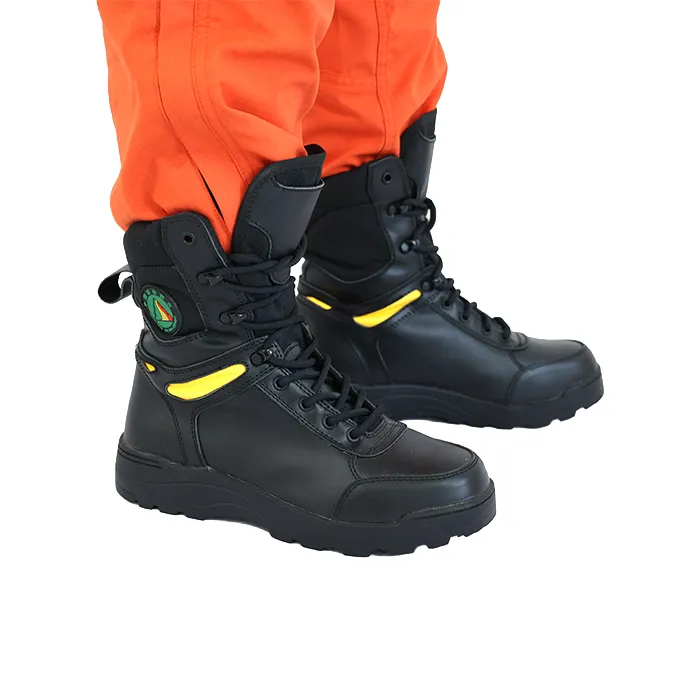
Protective Clothing If you’re interested in learning more about our wind-powered fire extinguishers and how they can help you protect your property and personnel from fires, we encourage you to contact us for a consultation. Our team of experts is ready to answer your questions and provide you with the information you need to make an informed decision.
References
- National Fire Protection Association (NFPA). (2023). Fire Protection Handbook. Quincy, MA: NFPA.
- US Forest Service. (2023). Fire Behavior Basics. Retrieved from the official US Forest Service publications.
- International Association of Fire Fighters (IAFF). (2023). Firefighting Tactics and Strategies. Washington, DC: IAFF.
Zhenjiang Linhao Forest Fire Prevention Equipment Co., Ltd.
Zhenjiang Linhao Forest Fire Prevention Equipment Co., Ltd. is one of the most reliable manufacturers and suppliers of wind-powered fire extinguisher in China, featured by quality products and low price. Please rest assured to wholesale customized wind-powered fire extinguisher from our factory. Contact us for quotation and free sample.
Address: No.16,Fenghuangshan Road, Runzhou District, Zhenjiang City, Jiangsu Province
E-mail: lh@lhfirefighting.com
WebSite: https://www.lhfirefighting.com/
