Can an Eco Solvent Printer print on plastic materials? Eco Solvent Printer
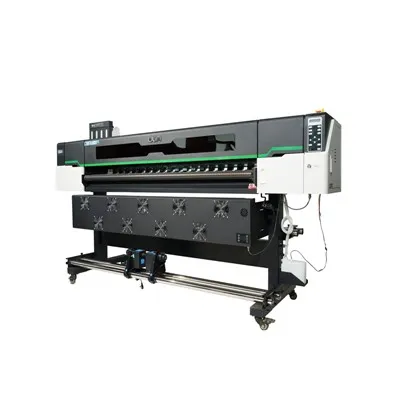
Hey there! I’m an eco solvent printer supplier, and I get this question a lot: Can an eco solvent printer print on plastic materials? Well, let’s dive right into it and find out.
First off, let’s talk a bit about eco solvent printers. These bad boys have come a long way in the printing world. They use eco solvent inks, which are a more environmentally friendly alternative to traditional solvent inks. They don’t emit as many volatile organic compounds (VOCs), so they’re better for the air we breathe and for the overall environment. Plus, they offer some pretty great print quality, with vibrant colors and good durability.
Now, onto the main question: plastic materials. There are tons of different types of plastics out there, and not all of them are created equal when it comes to printing. Some plastics are more receptive to eco solvent inks than others.
One of the most commonly printed plastics is PVC (polyvinyl chloride). PVC is a popular choice for things like banners, signs, and vehicle wraps. The good news is that eco solvent printers can usually print on PVC pretty well. The inks bond well to the surface of the PVC, creating a long – lasting and colorful print. The printing process on PVC generally involves a basic setup. You load your PVC material into the printer, set the appropriate print settings, and let the printer do its magic. The eco solvent inks are able to penetrate the surface of the PVC just enough to create a strong adhesion without causing any major damage to the material.
Another plastic that is friendly to eco solvent printing is PET (polyethylene terephthalate). PET is often used in packaging, labels, and some display items. Eco solvent printers can also handle PET printing. The key here is to make sure the PET has the right surface treatment. Sometimes, untreated PET can be a bit slippery, and the inks might not adhere as well. But if it’s treated properly, you can get some really nice prints on PET. You might need to do a test print first to see how well the inks bond and to adjust the print settings accordingly.
However, not all plastics are a walk in the park for eco solvent printers. For example, polypropylene and polyethylene can be a bit tricky. These plastics have a very smooth and non – porous surface, which makes it difficult for the eco solvent inks to stick. The inks might just bead up on the surface instead of bonding. To print on these types of plastics, you usually need to use a primer or a special surface treatment. The primer creates a rougher surface for the inks to adhere to, but it adds an extra step to the printing process. And even with a primer, the durability of the print might not be as good as on PVC or PET.
When it comes to the printing process on plastic materials with an eco solvent printer, there are a few things to keep in mind. The first is the print resolution. You want to set the right resolution for the type of plastic you’re using and the final product you’re aiming for. If you’re printing a high – end display item, you’ll probably want a higher resolution to get those sharp details. But if it’s a simple banner, a lower resolution might be sufficient.
The drying time is also important. Eco solvent inks take some time to dry completely, especially on plastic materials. You need to make sure you give the prints enough time to dry before handling them. Otherwise, you might end up with smudges or the inks might not fully bond to the plastic.
Now, let’s talk about the advantages of using an eco solvent printer to print on plastic materials. One of the biggest advantages is the durability of the prints. The eco solvent inks are resistant to fading, scratching, and water damage. This means that your prints on plastic will last a long time, whether they’re used outdoors or indoors.
Another advantage is the versatility. You can print all sorts of designs, colors, and patterns on plastic materials. Whether you’re creating a custom – made sign for a business or a unique label for a product, an eco solvent printer can handle it.
But there are also some challenges. As I mentioned earlier, some plastics require special treatment, which can add to the cost and time of the printing process. And if you’re not careful with the print settings, you might end up with poor – quality prints.
So, to sum it all up, yes, an eco solvent printer can print on plastic materials. But it depends on the type of plastic. PVC and PET are usually great candidates, while polypropylene and polyethylene need some extra work. If you’re in the market for printing on plastic, an eco solvent printer is definitely worth considering.
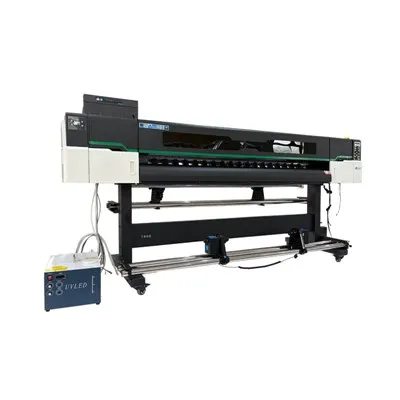
If you’re interested in getting an eco solvent printer for your plastic printing needs or you have more questions about how it all works, don’t hesitate to reach out. I’d be more than happy to have a chat with you, share some more tips and tricks, and help you find the perfect printer for your business.
DTF Printer References
- "The Handbook of Plastic Materials and Technology" by Irwin I. Rubin
- "Printing Technology: Principles and Practices" by John C. Walters
Hangzhou Yulan Technology Co., Ltd.
Hangzhou Yulan Technology Co., Ltd. is one of the most professional eco solvent printer manufacturers and suppliers in China. With abundant experience, we warmly welcome you to wholesale the newest eco solvent printer in stock here from our factory. Good service and quality products are available.
Address: Building, No.128 Rihui Road, Linping District, Hangzhou, China.
E-mail: ulinprint@gmail.com
WebSite: https://www.ulinprinter.com/
